
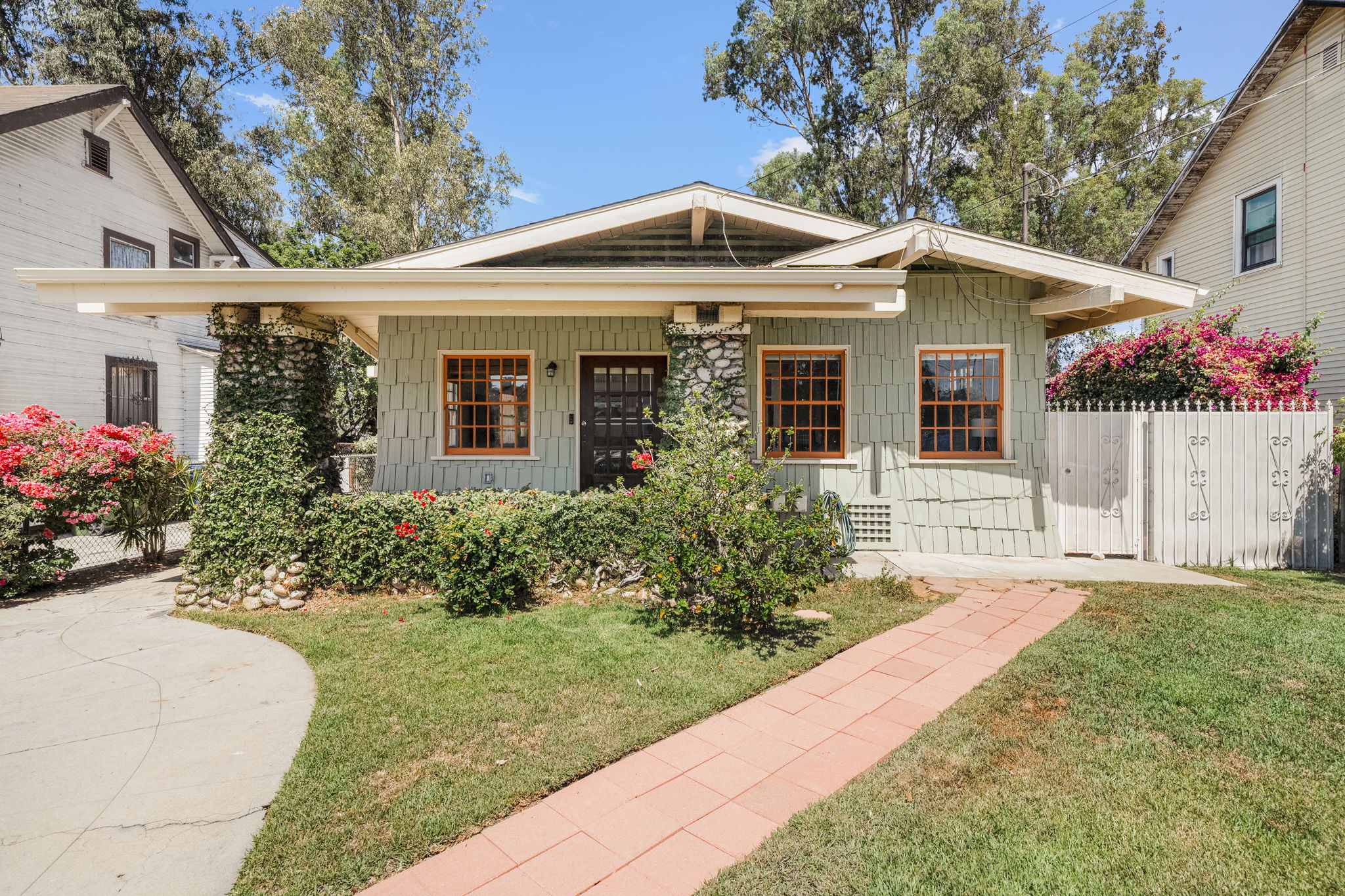
At 633 Camulos Street, the story began well before the listing. The sellers had bought the home in rough condition and spent years putting care into it. When they were ready to sell, the task was not simply to make the finished rooms look good. It was to help another person understand what that care consisted of.
That is a familiar challenge with older homes. The owner may remember which project happened first, why a material was chosen and where the records are stored. A buyer arrives without that context. The listing has to connect the visible house with the information needed to evaluate it.
Separate what you can see from what you can establish
A photograph can show the front entry, a window, a cabinet or the way rooms connect. It cannot establish the age of a component, its originality or the status of a repair behind it. Those claims need their own support.
At Camulos, our work was to translate care and documented improvements into information for the next buyer. It does not require claiming that every feature is original or that the home has an official historic status. If those details matter to a buyer, they should be researched and described at the level the evidence supports.
Build a short history that leads to the records
An owner’s project history becomes easier to use when it is organized by system or area of the home. What was done? Who did it? What documents are available? Was it a repair, a replacement, ongoing maintenance or a proposed task that never went ahead?
Consider a folder labeled “plumbing” containing a proposal, a paid invoice and several photographs. Without a short explanation, a buyer might not know which document describes the completed scope. A simple index can point to the right record while preserving the full document. It is an aid to understanding, not a replacement for disclosures or a buyer’s inspection.
Photograph character and practical context
A detail photograph deserves a reason to be there. It can help a reader notice the relationship between materials, the depth of an entry or the way a room receives light. A wider view then explains where that detail belongs.
For an older-home story, I want the photographs to work together: an exterior that establishes the house, rooms that explain the layout and details that reward a closer look. If process or earlier photographs are available and cleared, they can add another layer. They should be matched to the correct property and project rather than used as decorative evidence for an unrelated claim.
Let a buyer ask the next question
Good documentation does not end investigation. It makes the next question more precise. A buyer may want a specialist to explain a past repair, help assess current condition or identify maintenance ahead. That is compatible with respecting the seller’s care.
It is also why words such as “restored” deserve attention. Different readers may hear different promises in that word. Describing the actual documented choices is usually more helpful than relying on a broad label. A buyer can appreciate a home’s character while still needing to understand systems, alterations and the limits of what is known.
What another seller can do now
Start with the records you already have. Collect the important projects into a short chronology, keep the original documents and mark any uncertainty honestly. Photograph features you want explained, then distinguish your recollection from what the documents establish. If you do not know a date or scope, leave it as a question.
At Camulos, the care behind the house was part of the sale story. The transferable lesson is not a promise about a particular result. It is that years of ownership should not become invisible the moment a listing goes live. I can help make that history usable for the people who are deciding whether the house is right for them.