
The question usually arrives as a choice between two extremes: sell the house exactly as it is, or fix everything before anyone sees it. Most useful conversations happen somewhere in the middle.
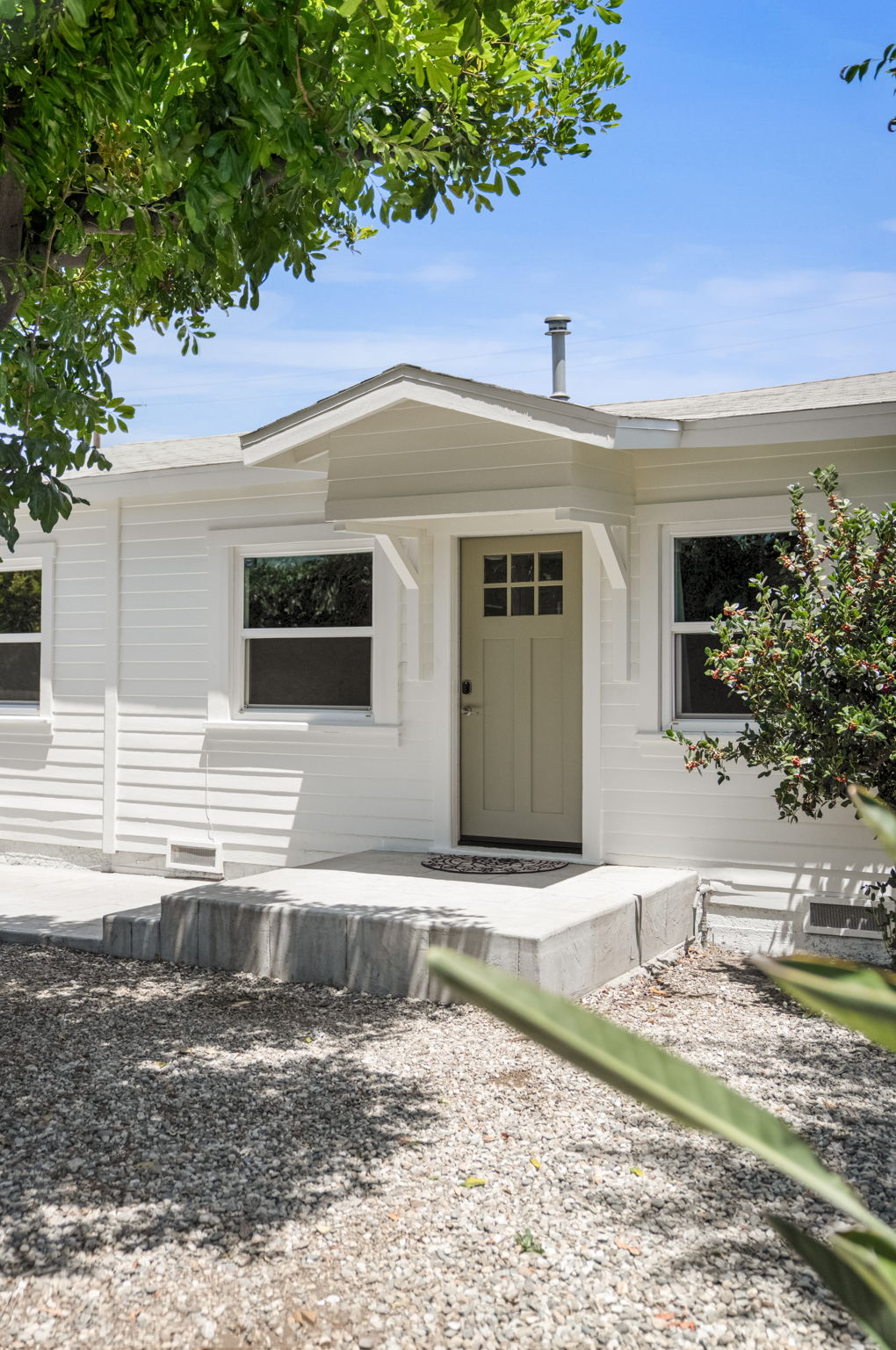
California Street’s documented exterior preparation was comparatively focused: woodwork attention and a consistent paint treatment. The Ditman preparation correspondence involved inspections, roof proposals, staging and landscape decisions. Neither is a universal template. Together they show why the answer needs to begin with the house, the available information and what the owner is prepared to take on.
First, define what you mean by as-is
Owners sometimes use “as-is” to mean no repairs, no cleanup, no reports or no negotiation. Those are different choices. You can decide against a renovation and still organize the records, obtain advice, clean the property and explain its condition accurately.
Do not assume a label settles disclosure obligations or determines what happens after an inspection. Those questions depend on the property, the agreement and applicable requirements. Your agent and, when needed, an attorney should help you understand them. For planning purposes, start with a simpler description: which activities are you willing to complete before launch, and which will you leave for a buyer to evaluate?
Price two actual paths
For the current-condition path, ask what information and presentation would still be useful. That might include photography that explains the layout, existing reports organized for review and a clear description of what is known. Ask how the condition could affect likely buyer questions, financing or the time needed for investigation.
For the preparation path, obtain a defined scope, timing and the costs that might sit outside the initial proposal. Include the period needed to make decisions and manage belongings. The comparison is not “current value plus renovation cost equals future value.” Spending on a house does not establish what someone will pay for it.
Separate confidence from a guess about return
Some preparation addresses a specific concern. Other changes make rooms easier to understand or the exterior more coherent. Those are legitimate reasons to consider a project, but they are not proof of a financial return.
At Ditman, the distinction between roof labor, material and possible underlying wood changes mattered before a final project commitment could be understood. At California Street, the recorded visual scope was narrower. A useful recommendation should explain both the reason for the proposed activity and the uncertainty that remains. Be cautious of an answer that promises a result without describing those limits.
Treat your capacity as part of the decision
A seller may have money available but little ability to manage disruption. Another may have time but prefer to preserve cash. Someone else may want a very limited preparation plan so they can move forward with fewer decisions. These are planning facts, not failures to be persuaded away.
Consider choosing between a defined cleanup-and-photography sequence and a larger project with an uncertain finish date. If the larger project threatens the timing of your next home, that consequence belongs in the comparison. Ask what could be reduced, what could be completed later and what happens if the expected timeline slips.
Make one decision at a time
You do not need to authorize an entire preparation campaign at the first meeting. Start with the information needed to choose. A specialist’s opinion may narrow a concern. A better estimate may change the scope. A decision about the next home may change the available window.
I can help assemble the comparison and explain how each path would be presented to buyers. The useful outcome is a plan you understand well enough to choose, including what you are leaving alone. That may be selected preparation. It may be a sale in the property’s current condition with a strong information package. The house and your circumstances should lead the decision.